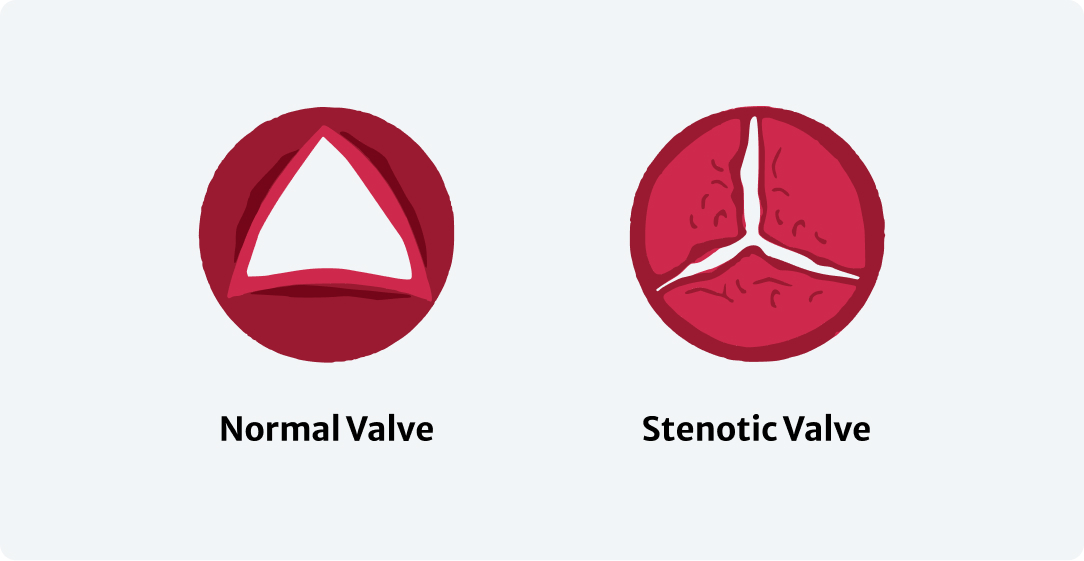
Aortic Stenosis
The leaflets cannot open fully to allow enough blood to flow through.

To best understand Heart Valve Disease, you first need to understand what your heart valves do.

Fictional Character
Your heart has four valves that are like doors, that regulate blood flow in and out of your heart’s chambers. Heart Valve Disease is a condition where one or more of your heart valves stops working correctly making it more difficult for blood to flow through your heart.
Heart Valve disease can affect any of the four valves in your heart, and falls into two main categories; Regurgitation and Stenosis. Some valves may be affected by both
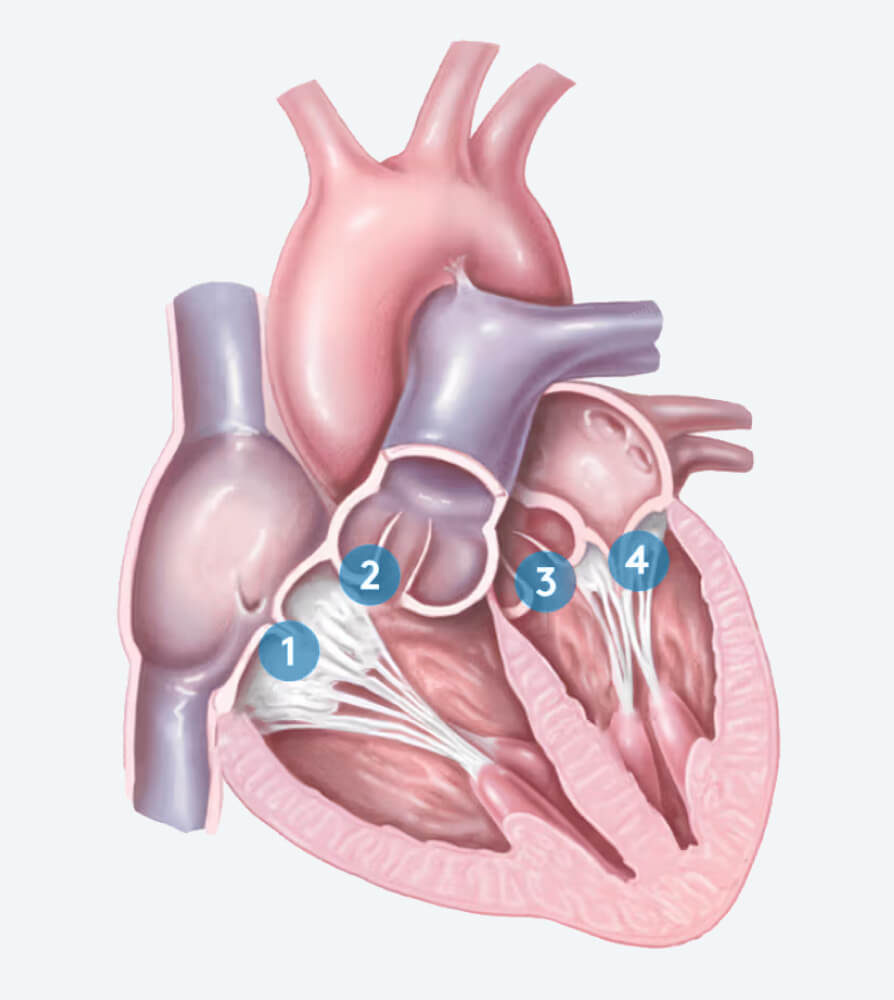
Anatomy of your heart
The four valves in your heart open and shut to let blood through your heart and into your body. They are called:
Anatomy of your heart
The aortic valve and mitral valve are most commonly affected by heart valve disease. The most common forms of valve disease are: Aortic Stenosis and Mitral Regurgitation
The leaflets cannot open fully to allow enough blood to flow through.
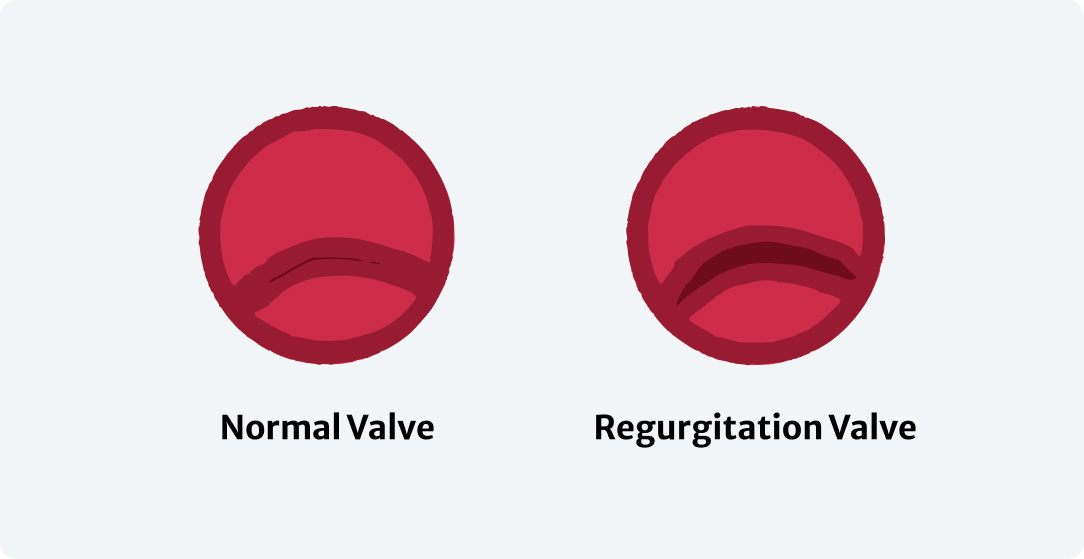
The flaps of the Mitral Valve, called leaflets, no longer seal properly in between heartbeats and allow blood to leak ‘backwards’ into the heart.
One way to understand Regurgitation and Stenosis is to think of the way a door opens and closes.
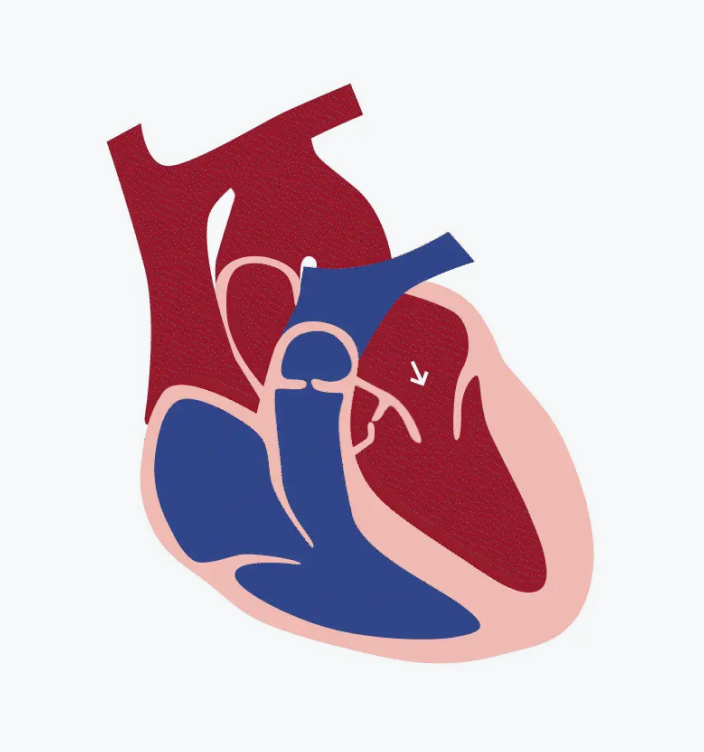
A properly functioning door opens smoothly in one direction and closes securely in the other. A healthy valve operates in a similar manner. However, when a valve fails to close completely, it means blood cannot flow so easily through. This condition is referred to as regurgitation. When the valve fails to open properly, like when the hinges of a door become stiff, this is known as stenosis.
Complete our simple quiz to check if you are at risk of Heart Valve Disease.
Fictional Character

Note: References provided are applicable for all medical claims on this page.
Information on this site includes educational information regarding certain conditions and potential therapies or treatment options. Other therapies or treatment options may be available and you should discuss any educational information you access online with your healthcare professional. Appropriate treatment for individuals is a matter for healthcare professionals to decide in consultation with each individual.