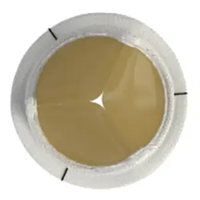
Tissue valve
Made from man-made and animal material. Tissue valves, typically do not require the use of blood thinners and typically last between 10 to 20 years depending on the type of valve, patient characteristics and other factors.

You have options for severe Aortic Stenosis.
A treatment option for severe aortic stenosis is to replace the valve through open-heart surgery.
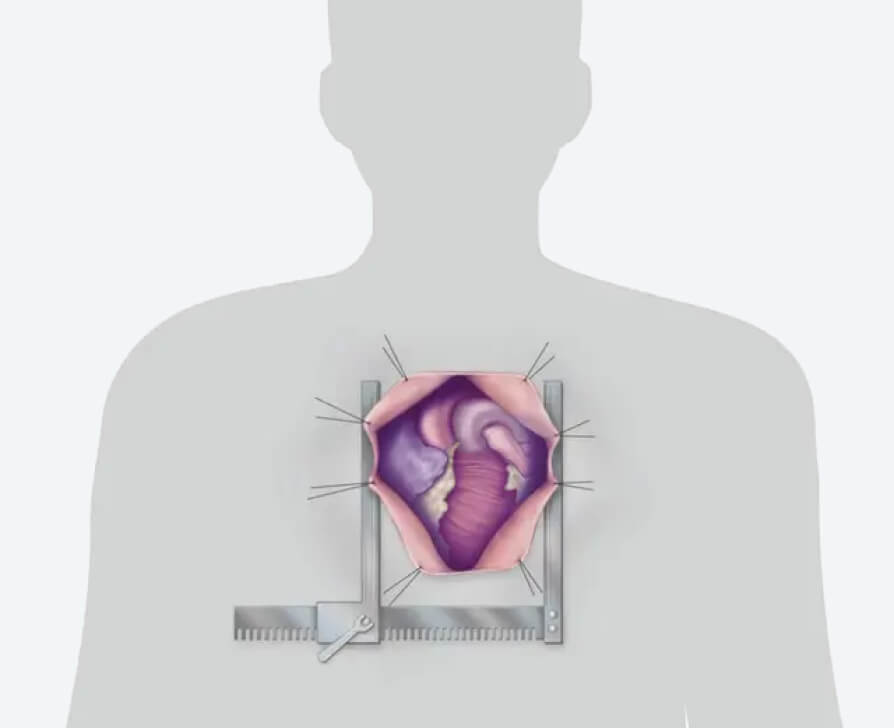
The surgeon makes an opening in the middle of the chest and breastbone to access the heart. To keep the heart still enough for the surgeon to operate, a heart-lung machine takes over the job of pumping blood through the body. The surgeon removes the diseased valve and puts a new heart valve in its place.
Open heart surgery is a very common, well-established procedure.


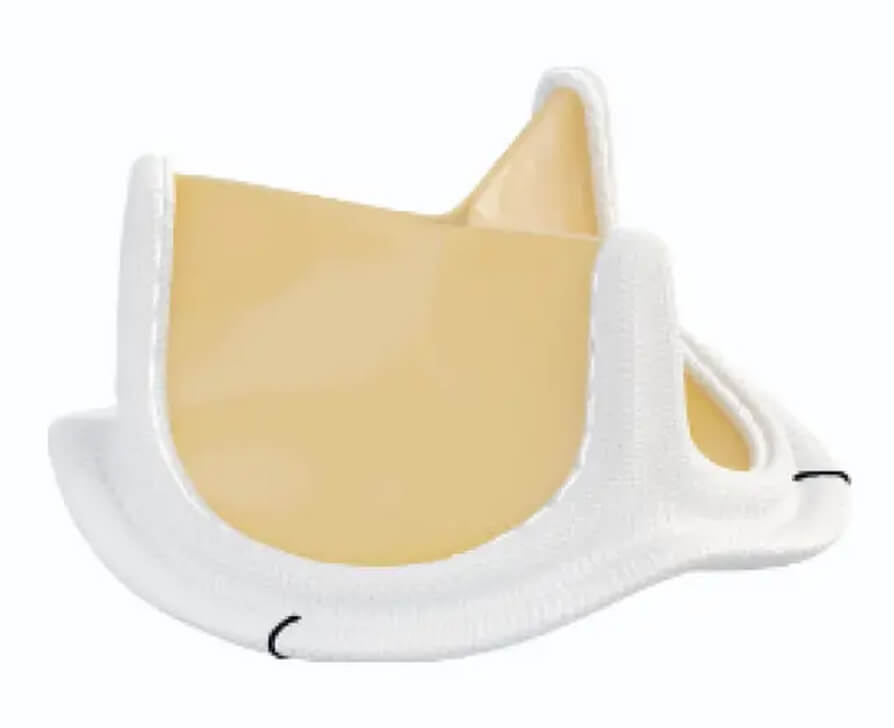
Made from man-made and animal material. Tissue valves, typically do not require the use of blood thinners and typically last between 10 to 20 years depending on the type of valve, patient characteristics and other factors.
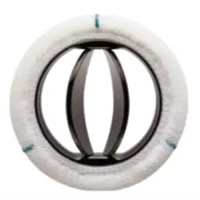
Made from metal. Mechanical valves are designed with durable materials that may last longer. However, patients with mechanical valves require a lifelong treatment of anticoagulants (blood thinners) to avoid clots on the valve.2
| Tissue valves | Mechanical valves | |
| Long-term blood thinner required | No | Yes
Daily blood thinner medication and regular blood tests for the rest of life |
| Valve longevity | 10 to over 20 years, depending on type of valve, patient characteristics, and other factors. RESILIA tissue has been shown in animal studies to have less calcium build-up, potentially allowing the valve to last longer. | Over 20 years, in general |
| Lifestyle and dietary considerations | Yes
May need to reduce calcium intake | Yes
Limits active lifestyle and foods high in vitamin K (such as leafy greens) from diet |
| Noticeable sounds from valve | No | Yes Clicking sound as valve opens and closes |
| Pregnancy considerations | No
known pregnancy complication risk | Yes
High pregnancy complication risks due to use of blood thinners |
**See the ESC/EACTS 2021 recommendations for more specific information. Adapted from Flameng et al. 2015, British Heart Foundation, Pederson et al. 2008, Fiumara et al. 2009, Kassis et al. 2022.
The INSPIRIS valve possesses many advantages over a mechanical valve:
Note: References provided are applicable for all medical claims on this page.
Information on this site includes educational information regarding certain conditions and potential therapies or treatment options. Other therapies or treatment options may be available and you should discuss any educational information you access online with your healthcare professional. Appropriate treatment for individuals is a matter for healthcare professionals to decide in consultation with each individual.

