LTYH logo
Types of valve disease

Mitral regurgitation1,2

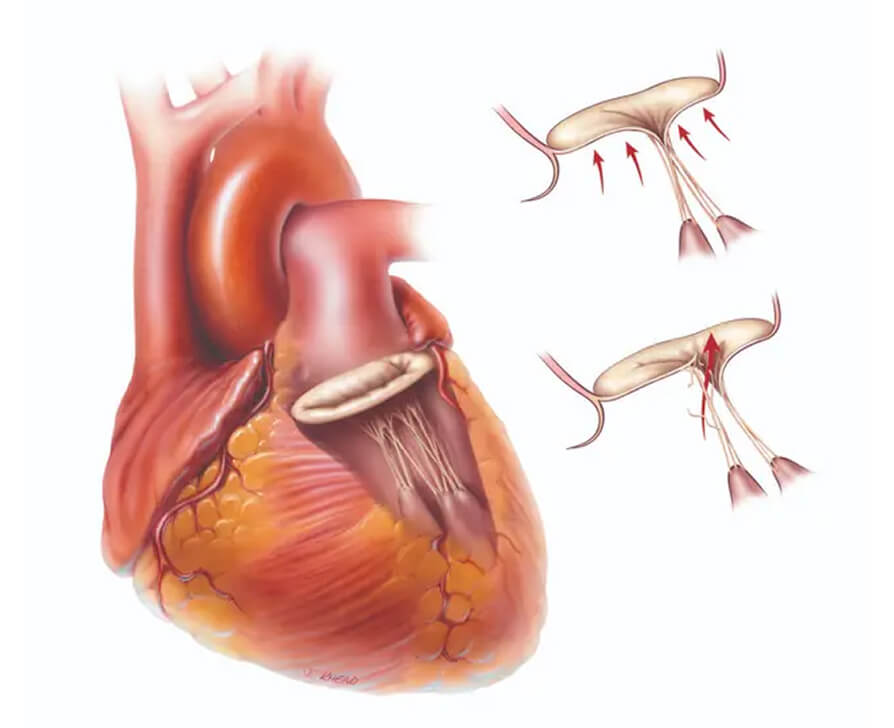
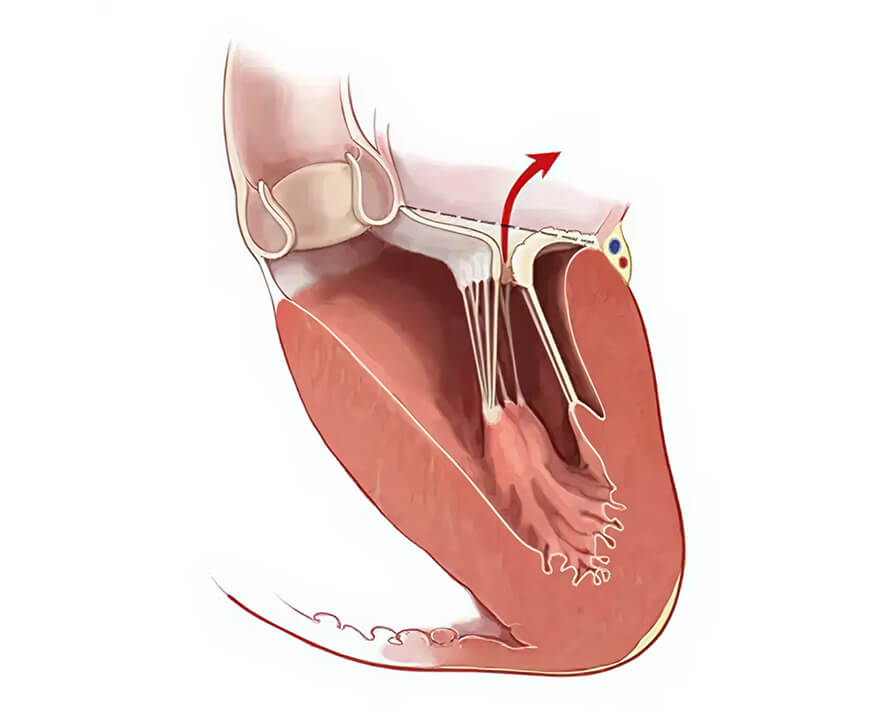
Mitral Regurgitation (commonly called a leaky valve): is a condition where the leaflets of the mitral valve don't close tightly, and cause blood to leak backwards into the left atrium.

Types of valve disease Mitral regurgitation

Your blood is supposed to follow a one way path through your heart.

In Mitral Regurgitation your mitral valve does not work as it should and allows blood to flow backwards into your upper heart chamber.

Treatment will depend on the type and severity of your condition and may include medications or surgery.

Causes

What is the main cause of Mitral Regurgitation?

Mitral Regurgitation can be acute (happen suddenly), or chronic (happen gradually over time).
Acute Mitral Regurgitation is often caused by damage to the heart, perhaps from a heart attack or a heart infection called endocarditis.

Cause of Mitral Regurgitation

Chronic Mitral Regurgitation can develop because of many possible causes including:

  • Mitral valve prolapse
  • Rheumatic heart disease
  • Untreated high blood pressure
Symptoms

Mitral Regurgitation Symptoms

Symptoms can be a sign that your valve disease is progressing.

Trouble doing usual activities exercise

Feeling out of breath upon exertion, at night or when lying down

Changes in your appetite

Changes in your appetite, especially feeling full quickly

Extreme tiredness

Any unusual tiredness

Heart palpitations

Palpitations (your heart skipping a beat or fluttering)

Dizziness of fainting

Dizziness

Chest Pain

Chest pain

Sudden weight gain

Any unusual tiredness

Symptoms are only one part of the picture, regular tests like Echocardiograms (Echos) will also give your doctor a lot of information.

Diagnosis

How is Mitral Regurgitation diagnosed

To diagnose Mitral Regurgitation, a health care provider will usually do a physical exam and ask questions about your symptoms and medical history, including whether you have mitral valve prolapse. The provider will typically listen to your heart with a stethoscope. A heart murmur, also called a holosystolic murmur, may be heard. The mitral valve heart murmur is the sound of blood leaking backward through the valve.

Tests may be done to confirm a diagnosis of Mitral Regurgitation or to check for other conditions that can cause similar signs and symptoms.


Common tests to diagnose Mitral Regurgitation include:

1 / 5
Echocardiography (Echo)
Electrocardiogram (ECG)
Chest X-ray
Cardiac MRI
Exercise tests or stress tests
Echocardiography (Echo)

Echocardiography (Echo)

Electrocardiogram (ECG)

Electrocardiogram (ECG)

Chest X-ray

Chest X-ray

Cardiac MRI

Cardiac MRI

Exercise tests or stress tests

Exercise tests or stress tests

Echocardiography (Echo)

Sound waves are used to create pictures of the heart in motion. An echocardiogram shows the structure of the mitral valve and blood flow in the heart. A standard echocardiogram, also called a Transthoracic Echocardiogram (TTE), can confirm a diagnosis of Mitral Regurgitation and determine its severity. Echocardiography can also help in the diagnosis of congenital mitral valve disease, rheumatic mitral valve disease and other heart valve conditions.

Sometimes, a Transesophageal Echocardiogram (TTE) may be done to get a closer look at the mitral valve. In this type of Echocardiogram, a small transducer attached to the end of a tube is inserted down the tube leading from the mouth to the stomach (esophagus).

Electrocardiogram (ECG)

Wires (electrodes) attached to pads on the skin measure electrical signals from the heart. An ECG can detect irregular heart rhythms (arrhythmias) related to mitral valve disease.

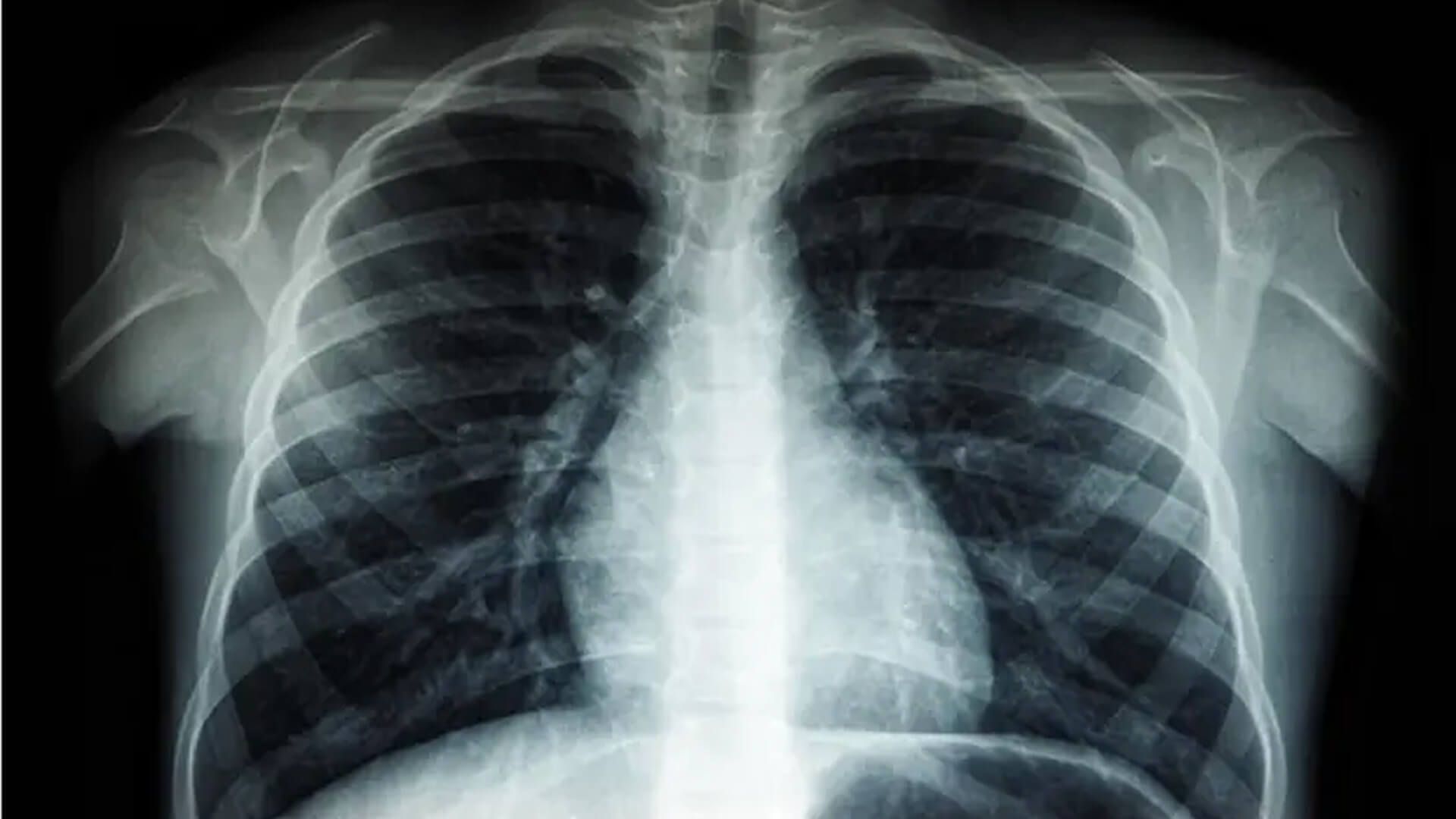
Chest X-ray

A chest X-ray shows the condition of the heart and lungs. This quick and easy test can help diagnose an enlarged heart or fluid in the lungs.

Cardiac MRI

A cardiac MRI uses magnetic fields and radio waves to create detailed images of the heart. Cardiac MRI may help provide more details about the severity of Mitral Regurgitation and the size and function of the lower left heart chamber (left ventricle).

Exercise tests or stress tests

These tests often involve walking on a treadmill or riding a stationary bike while the heart is monitored. Exercise tests show how the heart responds to physical activity and whether Mitral Regurgitation symptoms occur during exercise3. If you can't exercise, you might be given medication that mimics the effect of exercise on the heart.

Fictional Characters

Your GP will usually do the initial examination and if a heart murmur is heard or they suspect you may have a problem with one of your valves your GP will refer you for an echocardiogram or direct to a cardiologist.
Can Mitral Regurgitation get worse?

Can Mitral Regurgitation get worse

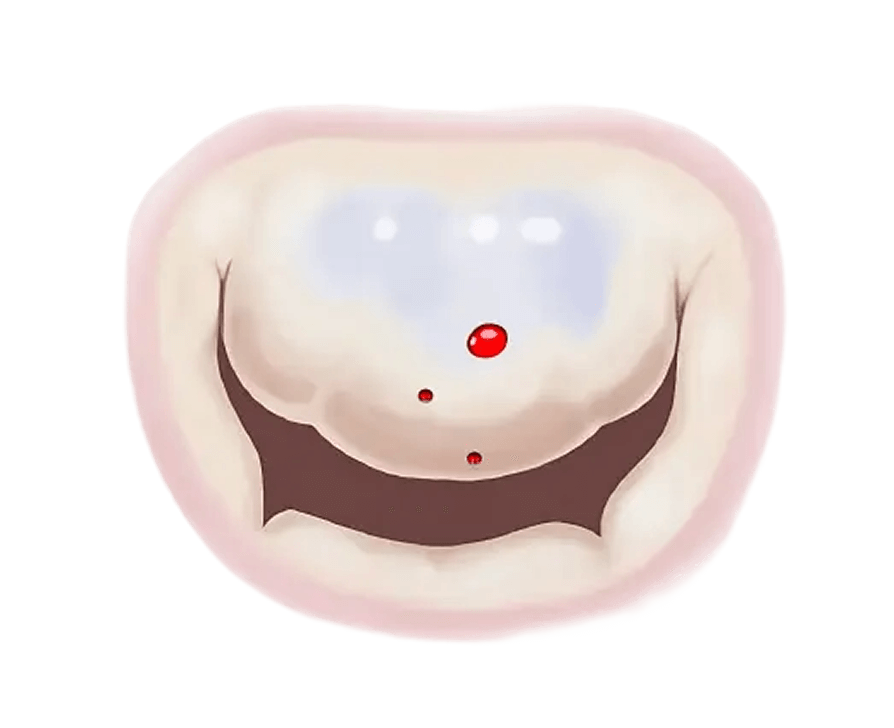
Mitral Regurgitation can be mild, moderate or severe - or anywhere in between.

It is helpful to know how Mitral Regurgitation can progress over time so that you know better what to expect. Keep in mind, many factors can affect its severity; for example, having high blood pressure or how well your Mitral Regurgitation is being managed with medication.

Have any questions?

We’ve got answers. Our FAQ page can help guide you through, symptoms, what to expect from a check up and what treatments are available.

Heart valve disease - Have any questions

References

  1. https://www.mayoclinic.org/diseases-conditions/mitral-valve-regurgitation/symptoms-causes/syc-20350178
  2. https://www.mayoclinic.org/diseases-conditions/mitral-valve-regurgitation/diagnosis-treatment/drc-20350183

Note: References provided are applicable for all medical claims on this page.

Important safety information

Information on this site includes educational information regarding certain conditions and potential therapies or treatment options. Other therapies or treatment options may be available and you should discuss any educational information you access online with your healthcare professional. Appropriate treatment for individuals is a matter for healthcare professionals to decide in consultation with each individual.